

Introduction
One of life’s greatest blessings is good health. People sometimes concentrate on treating health issues after they arise, but leading a healthy lifestyle on a daily basis can help avoid many problems before they arise. A Daily Healthy Routine for Good Health enhances one’s general quality of life, mental health, and physical fitness.
Many people think that strict diets or strenuous exercise are necessary to maintain good health. However, basic daily routines are the first step toward a healthy lifestyle. Little things like eating a healthy diet, getting enough sleep, exercising frequently, and drinking enough water can have a significant impact.
In addition to keeping your body active, maintaining a Daily healthy routine for good health can boost your mood, give you more energy, and promote long-term heath.

The Value of Maintaining a Healthy Routine:
Maintaining a good habit gives life structure. Your body and mind start to work better when you adopt healthy behaviors on a daily basis.
Maintaining a daily healthy routine for good health is crucial for the following reasons:
enhances bodily well-being
increases immunity
aids in maintaining a healthy weight
promotes mental wellness
Boosts output
increases vitality
lessens anxiety and tension
enhances the quality of sleep
reduces the chance of illness
Perfection is not as vital as consistency. Daily healthful behaviors, no matter how minor, can have long-term effects.
Healthy Morning Routines
The tone of the day is greatly influenced by morning routines. Healthy habits at the beginning of the day can boost energy and focus.
Get Up Early:
Your body and mind have more time to get ready for the day when you get up early. It lets you begin your day without hurrying and makes you feel less stressed.
Among the advantages of rising early are:
Improved time management
Enhanced focus
Decreased tension
Enhanced output
After waking up, sip water.
Your body becomes dehydrated after a few hours of sleep. Drinking water first thing in the morning promotes healthy digestion and organ activation.
Try consuming alcohol:
One or two water glasses
Warm water with a lemon
Sugar-free herbal beverages
Stretch or do some light exercise.
Stretching in the morning lessens muscular stiffness and enhances blood circulation.
Easy exercises consist of:
Stretches for the neck
Shoulder motions
Strolling
Yoga
Deep breathing techniques
Moving for even ten to fifteen minutes can lift your spirits.

Have a Nutritious Breakfast:
Because it gives you energy, breakfast is frequently referred to as the most significant meal of the day.
Ideas for a healthy breakfast:
Fruit and oatmeal
Whole-grain bread and eggs
Smoothies
Seeds and nuts
Fresh produce
Steer clear of overly processed, high-sugar foods.

Tips for a Healthy Diet and Hydration:
The body uses food as fuel. Your body gets the nutrients it needs to function properly when you eat a balanced diet. We should follow a daily healthy routine for good health.
Consume Well-Balanced Meals
Your meals ought to include:
Sources of Protein
Protein aids in the development and maintenance of bodily structures.
For instance:
Fish, eggs, beans, lentils, chicken, and nuts
Nutritious Carbs
Energy comes from healthy carbs.
For instance:
Brown rice
Whole grains
Fruits
Vegetables
Good Fats
Heart and brain health are supported by healthy fats.
For instance:
Nuts, seeds, avocados, and olive oil.
Consume Adequate Water:
Staying hydrated is crucial for optimal health.
Advantages of consuming adequate water
enhances digestion
aids in the removal of toxins
promotes the health of the skin
keeps you from becoming dehydrated
increases vitality
Although everyone’s needs are different, experts typically advise consuming about eight glasses of water each day.
Cut Down on Processed Foods
Frequently seen in highly processed meals are:
Too much sugar
Salt
synthetic components
Unhealthy fats
Instead, wherever you can, select fresh and natural foods.
Regular Physical Activity and Exercise:
One of the most crucial components of a daily healthy routine for good health is exercise.
Engaging in physical activity maintains your body’s strength and lowers your chances of numerous ailments.
Advantages of Regular Exercise
Frequent exercise is beneficial:
Boost cardiac health
Build up your muscles
Boost adaptability
Encourage the management of weight
Boost your mood
Boost your endurance
Simple Daily Activities
To stay active, you don’t need pricey exercise equipment.
Simple exercises consist of:
Walking, jogging, cycling, dancing, and yoga
Exercises at home
Swimming
Every day, try to get in at least 30 minutes of moderate exercise.

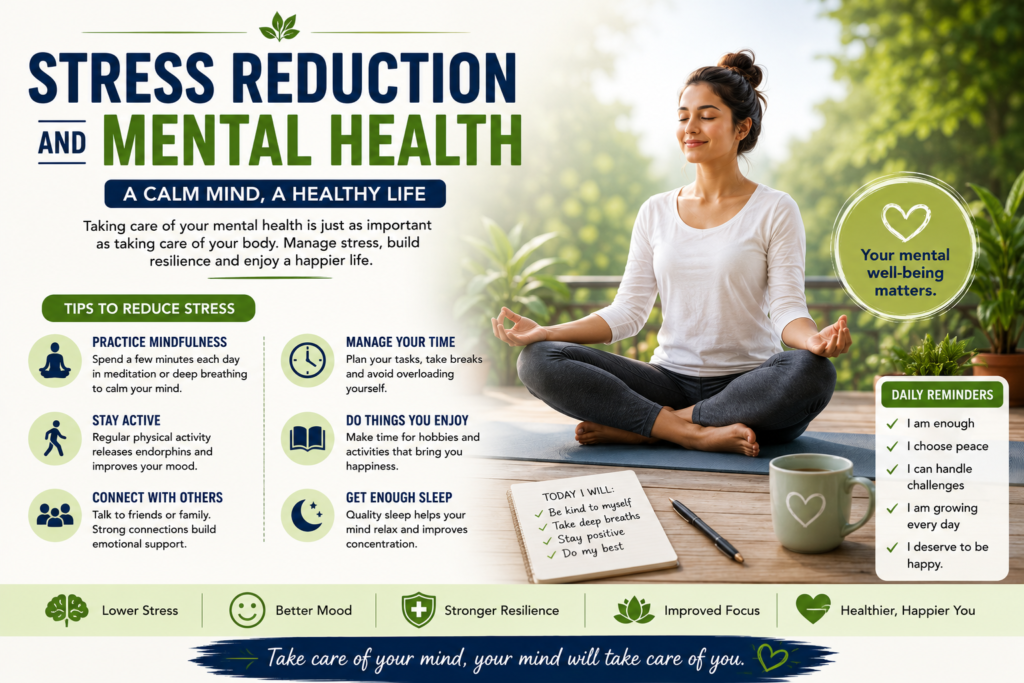
Stress Reduction and Mental Health:
Both physical and mental well-being are components of good health.
Although stress is a normal part of life, excessive stress can have negative effects on your health and mind.
Engage in Mindfulness
You can maintain your attention in the here and now by practicing mindfulness.
Methods for cultivating mindfulness:
Practicing meditation
Inhaling deeply
Journaling gratitude
Time spent in the outdoors
While working, take breaks.
Fatigue can result from long durations of constant work.
Simple things to do during a break:
Take a five-minute walk
Stretch
Have some water.
Let your eyes relax.
Brief breaks can lower stress and increase productivity.
Spend Time with Upbeat People:
A daily healthy routine for Health Connections supports emotional well-being.
Good relationships can:
Cut down on loneliness
Boost your mood
Boost contentment
Develop your emotional fortitude
Sleep Schedule for Improved Health
Although it is sometimes disregarded, sleep is crucial for general wellbeing.
Lack of sleep can have detrimental effects on:
Mood, Immunity, Memory, Energy, and Productivity.
Suggestions for Improved Sleep:
Keep a Regular Sleep Schedule
Make an effort to go to bed and wake up at the same time each day.
Cut Down on Screen Time Before Bed
Electronic gadgets like cell phones may have an impact on the quality of sleep.
Rather than using a screen right before bed:
Go through a book.
Play some relaxing music.
Engage in relaxing techniques.
Establish a Cozy Sleep Environment
Your space ought to be:
Calm, dark, cozy, and cool
Adults typically require seven to nine hours of sleep per night.
Avoid These Healthy Habits:
Certain everyday routines might be harmful to one’s health.
Try to minimize or stay away from:
Missing Meals
Meal skipping can lower energy levels and cause overeating in the future.
Spending a Lot of Time Sitting
Sitting for extended periods of time can raise health hazards.
Overindulgence in Sugar
Consuming too much sugar can lead to health issues and weight gain.
Smoking and Drinking Too Much Alcohol
These behaviors raise the risk of disease and have an impact on numerous bodily systems.
Absence of Exercise
Sedentary behavior can have a detrimental impact on general health.
Advantages of Keeping Up a Healthy Daily Schedule:
There are numerous benefits of adhering to a daily healthy routine for good health.
Among the main advantages are:
Increased physical fitness
Better mental well-being
A more robust immune system
Higher-quality sleep
Higher levels of energy
Increased output
Decreased tension
Reduced chance of developing chronic illnesses
Increased self-assurance
A happier and more balanced existence is supported by healthy behaviors.
A Realistic Example of a Daily Routine:
Here’s an illustration of a basic, healthful daily schedule:
Good morning.
Get up at six in the morning.
Have some water.
Stretch or work out
Have a nutritious breakfast.
In the afternoon
Consume well-balanced meals
Drink plenty of water.
While working, take brief pauses.
Evening
Take a stroll or work out
Have a light supper.
Spend time with your loved ones
At night
Cut down on screen time
Unwind before going to bed.
Go to bed by 10:00 or 11:00.
Depending on individual needs and schedules, this regimen can be modified.
conclusion:
It is not necessary to make significant lifestyle adjustments in order to maintain a daily healthy routine for good health. Over time, modest yet persistent efforts can result in significant advancements. A healthy lifestyle is supported by eating well, exercising, drinking plenty of water, controlling stress, and getting adequate sleep.
Recall that being healthy is a process rather than a final goal. Build a routine that suits your lifestyle gradually, starting with one habit at a time.
Frequently Asked Questions (FAQs):
1.What makes maintaining a healthy daily routine crucial?
Maintaining a healthy daily routine promotes both mental and physical well-being and aids in the prevention of health issues.
2.How much water should I consume each day?
Eight glasses a day is a common goal, however requirements vary based on activity and weather.
3.What is the recommended daily amount of exercise?
It is generally advised to engage in moderate activity for at least thirty minutes.
4.What is the healthiest morning routine?
Good morning practices include stretching, drinking water, and having a nutritious breakfast.
5.What is the recommended amount of sleep for adults?
The majority of adults benefit from getting between seven and nine hours of sleep every night.